Everything You Actually Need to Know Before Playing Mini Golf for the First Time

You've driven past one before. Maybe you slowed down a little, squinted at the windmill spinning near hole seven, and thought, "Is that for little kids?" Then you kept driving. It's a surprisingly common reaction, and it means a lot of people never actually set foot inside a mini golf course even though they'd probably enjoy it.
This article breaks down what mini golf courses actually are, what happens inside them, and how they're different from other places you might be thinking of. No fluff. Just the stuff worth knowing before you show up.
What a Mini Golf Course Actually Is
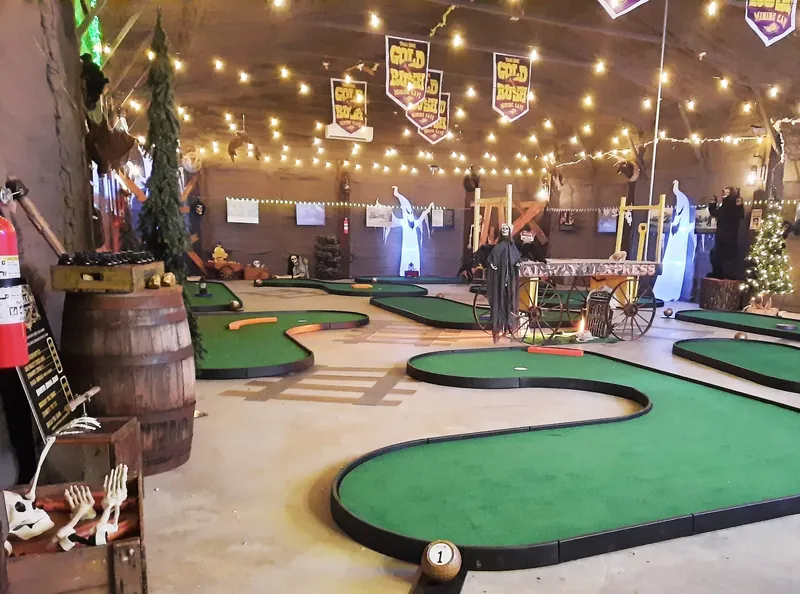
At its core, a mini golf course is a scaled-down putting course. You get a putter, a ball, and a scorecard, then work your way through a series of holes, usually 9 or 18. Each hole has a par score, and you try to match it or beat it. That's the whole game.
But here's where it gets interesting. Mini golf courses are not driving ranges. They're not arcade-style amusement parks with batting cages and go-karts bolted on, though some do have those extras. A proper mini golf course is focused on the putting game itself, with obstacles built into each hole to make you think a little and laugh a lot.
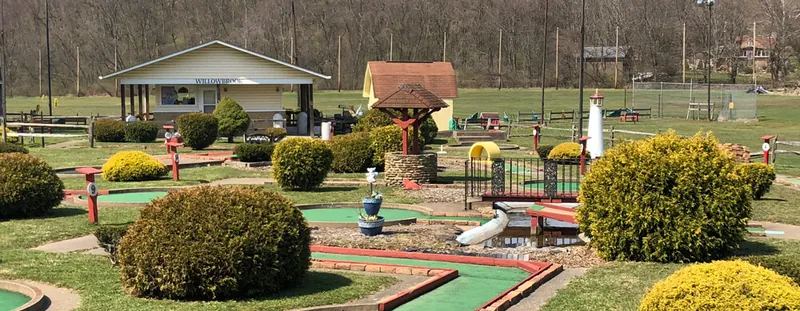
Most courses have a theme. Pirate ships, jungle landscapes, medieval castles, outer space, you name it. Some courses go all in on the theming with animatronics and water features. Others keep it simple with painted concrete and wooden ramps. Both can be fun. The theming is mostly just atmosphere.
Courses listed on Mini Golf Pal, which has 22+ verified listings averaging 4.5 stars, tend to be well-maintained family operations or recreational facilities attached to resorts and parks. These are not pop-up carnival games. Most of them have been running for years.
What to Expect When You Walk In
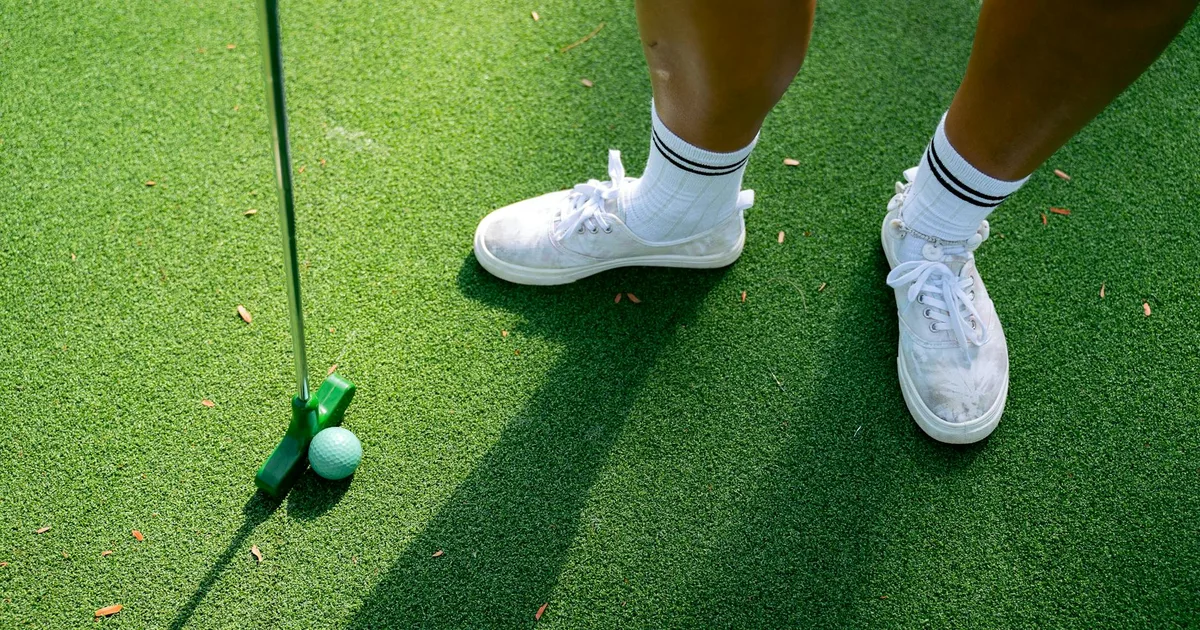
Walking into a mini golf course for the first time, you'll usually hit a small check-in counter near the entrance. Someone hands you a putter, a ball in whatever color you want, and a pencil-sized scorecard. Prices vary, but most courses charge somewhere between $8 and $15 per person for a full round. Kids are often cheaper.
Then you find hole one and go from there.
Each hole is physically separate, connected by a path. You putt the ball into the cup at the end of the hole, fish it out, and move to the next. There's usually a small sign at each hole showing the par and a rough diagram of the layout. Some people study these signs carefully. Most people ignore them and then get mad when the ball bounces off a wall they didn't see coming. Learn from that.
One thing a lot of first-timers don't expect: there's almost always a line. Mini golf courses can get busy, especially on weekends or during summer evenings. Groups move at different speeds, and you'll sometimes wait a minute or two behind a family with four kids arguing about whose turn it is. That's normal. Build it into your time estimate.
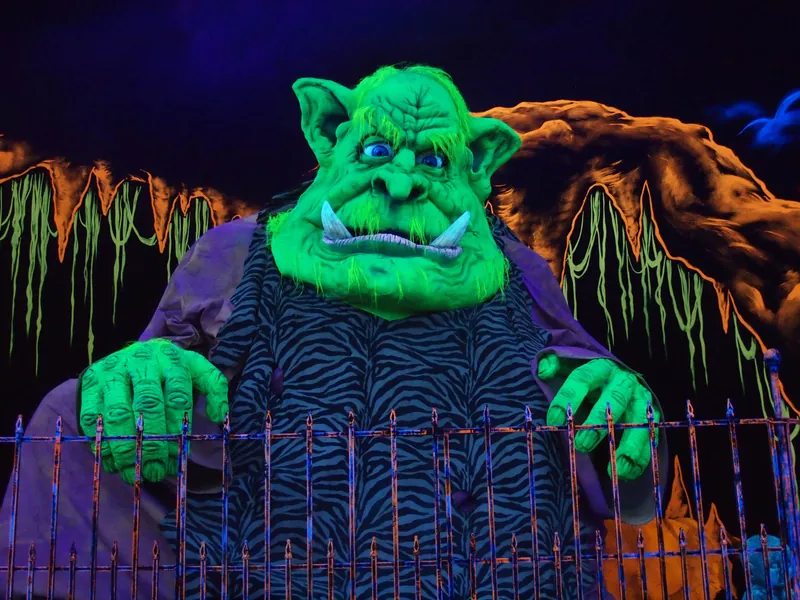
Courses are mostly outdoors, though some are fully indoor with black lights and glow-in-the-dark elements. Indoor courses tend to run year-round. Outdoor ones usually close in winter, or at least reduce hours significantly. Worth checking before you drive out on a cold Tuesday in February.
How Mini Golf Courses Differ From Similar Options
People sometimes confuse mini golf courses with a few other things. It's worth clearing up.
A golf simulator bar is not a mini golf course. Those places use screens and sensors to simulate full-length golf holes. They're typically louder, serve alcohol, and skew toward adults. Mini golf courses are almost always all-ages and usually family-oriented, even if adults play without kids.
Foot golf is also different. Same general outdoor course concept, but you're kicking a soccer ball into large cups in the ground. It's its own sport and usually happens on a separate section of a regular golf course, not a mini golf facility.
And regular golf? Completely different scale. A standard par-3 hole might be 100 yards. On a mini golf course, a "long" hole might be 30 feet. There is no overlap in skill or equipment, really.
Mini golf courses sit in their own category: casual, accessible, low-stakes, and genuinely fun for mixed groups of ages and skill levels. You do not need to know anything about golf to enjoy it. That's kind of the whole point.
How to Pick a Good One
Not all mini golf courses are created equal. Maintenance matters more than you'd think. A course with cracked concrete, wobbly obstacles, and faded paint is frustrating to play. A well-kept course where the ball rolls true and the obstacles actually work is a completely different experience.
Read recent reviews. Not the oldest ones. Look for reviews from the past six months and pay attention to comments about upkeep and pace of play. Those two things tell you more about a course than the theme does.
Outdoor courses with good shade are worth seeking out in summer. Playing 18 holes in direct afternoon sun is miserable, and some courses plan for that better than others. And oddly, parking lot size is a real signal. Small lot means the place gets crowded fast, and there's often no plan for overflow.
If you're bringing a mixed group, pick a course with a simpler layout over a wildly tricky one. Trick shots are fun. Watching someone putt 11 times on hole three while the group behind you waits is not.
Mini golf courses are one of those rare things that are genuinely better in person than they look from the road. Give one a real try, pick it based on reviews and upkeep, and you'll probably understand why they've stuck around for decades.