Glow-in-the-Dark Mini Golf Is a Different Animal — Here's What You're Actually Walking Into
You Showed Up Expecting Mini Golf. You Got a Nightclub With Windmills.
Most people book a round at a glow-in-the-dark mini golf venue thinking it's just regular mini golf with some black lights thrown up on the walls. They show up, eyes adjusting, and suddenly everything is neon. The carpet glows. Their white shirt glows. Their teeth are apparently very bright. It can feel a little disorienting if you did not know what to expect, and honestly, that moment of surprise can tip either way, either it's the coolest thing you've done all month, or you spend the first three holes wishing you'd just gone to a regular course.
This guide covers what glow-in-the-dark mini golf actually is, how it works in practice, and what separates a good facility from a forgettable one. If you're browsing Mini Golf Pal's 22+ verified listings and trying to figure out which type of venue to book, this should help you make a smarter call.
What This Type of Venue Actually Is
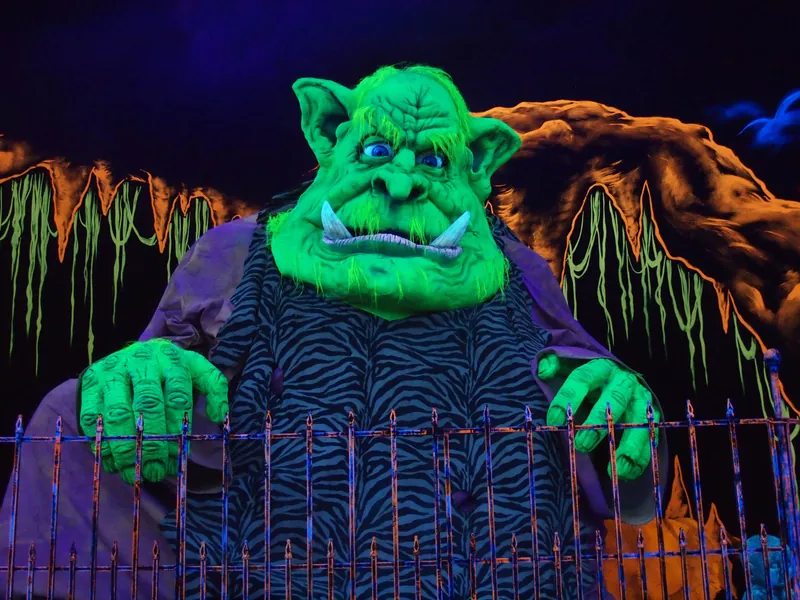
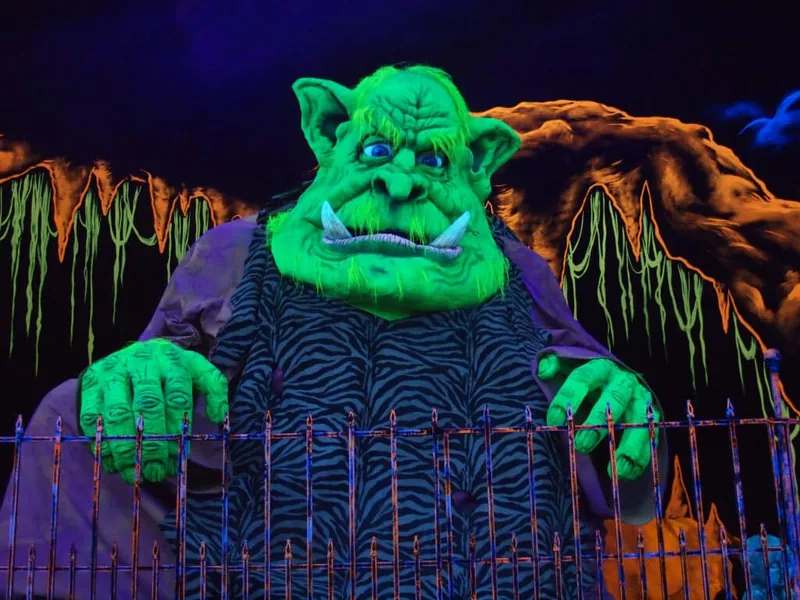
Glow-in-the-dark mini golf is an indoor mini golf experience built entirely around ultraviolet (UV) lighting. Everything in the building, including the obstacles, the walls, the ball, and sometimes the putter grip, is designed to react to black light. Colors that look flat in daylight pop into vivid neon under UV. Courses are usually themed, and themes vary wildly. One venue might go for a jungle aesthetic with glowing foliage. Another does a space theme with planets and asteroid tunnels. A few go full haunted house.
These places operate indoors year-round. That's a big practical difference from traditional outdoor mini golf, which shuts down in cold or rainy weather. You are not at the mercy of the forecast. Also worth knowing: most glow-in-the-dark mini golf venues are housed inside larger entertainment complexes. Laser tag, arcade games, escape rooms, and bumper cars often share the same building. So you might end up spending twice as long there as you planned.
Holes tend to run 18, same as standard mini golf. Par values are similar too. But the visual experience changes how you play. Depth perception gets a little tricky under UV light, especially early on. Distances look different. Some people find they play worse their first time and better once they relax into it.
Bring a dark outfit if you want to blend in. Or wear white if you want to glow like a beacon. Both are valid choices.
How It Differs From Regular Outdoor Mini Golf
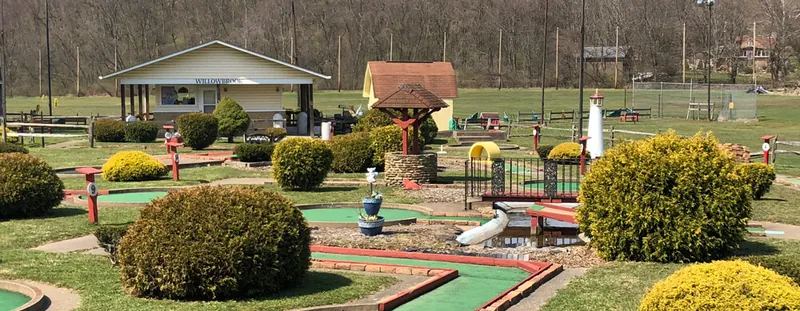
Outdoor mini golf is casual, often family-run, and usually pretty quiet. You play in daylight, there's often a windmill or a loop-de-loop, and the biggest sensory input is maybe some piped-in music and the smell of sunscreen. Glow-in-the-dark mini golf is the opposite of that vibe.
Volume is a real factor. Most of these venues pipe in music, and it runs loud. Not concert loud, but loud enough that you're going to be speaking at a raised volume for your whole round. If you're bringing young kids who are noise-sensitive, check the venue's setup before you book. Some are calmer than others.
Pricing also differs. Outdoor mini golf often runs $8 to $14 a person. Glow-in-the-dark venues usually come in between $12 and $20 per round, sometimes more if you're in a metro area or if the course is inside a premium entertainment complex. That's not a complaint, just something to factor in, especially for groups.
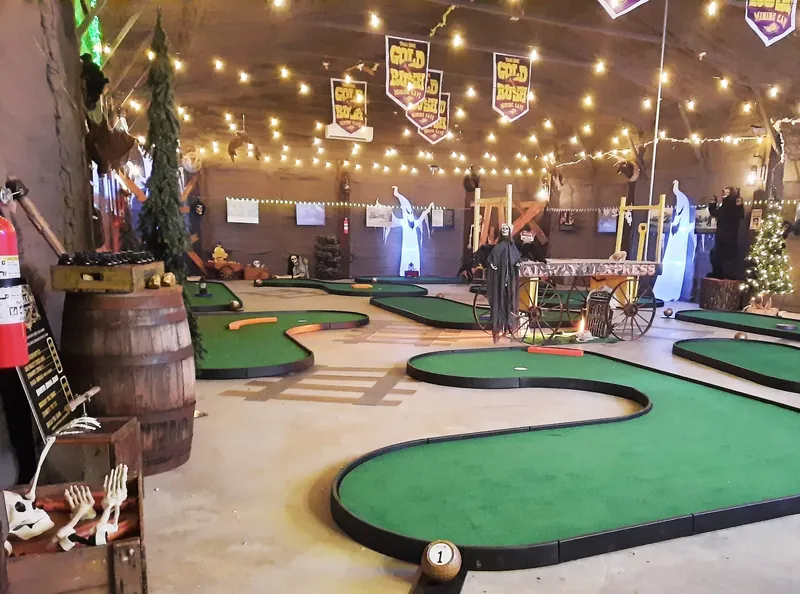
And here's something most people don't consider: outdoor courses are usually open-ended. You can play at your own pace without feeling like the group behind you is breathing down your neck. Indoor glow courses are tighter, with narrower corridors and lower ceilings. Groups back up more easily. Going on a weekday or early on a weekend morning generally gets you a much more comfortable round than a Saturday at 7 PM.
Wait, that is not quite right, some venues do take reservations by time slot, which changes the crowd dynamic entirely. Always check if reservation-only booking is available. It's worth it.
What to Expect Once You're Inside
You'll check in, usually at a front desk near the entrance of the entertainment complex. Staff will hand you a putter and a ball. The ball color matters more than you'd think, yellow and orange tend to glow the brightest under UV, while darker colors can be harder to track mid-putt. If they let you pick, go with a bright one.
Courses are usually designed to flow in one direction, with each hole leading naturally into the next. Most are fully enclosed, which means the air inside gets warm. Layers are a bad idea. Even in winter, these venues run warm once you've got a full crowd inside.
Obstacles are bigger and more theatrical than on standard courses. Ramps are steeper. Tunnels are longer. Some venues add interactive elements, motion-activated sound effects, fog machines, or light sequences that trigger when you sink a putt. A few have scoreboards that track your group digitally rather than with the little pencil-and-paper cards you'd get at an outdoor course.
Photography is one of the underrated perks. Glow-in-the-dark mini golf venues photograph incredibly well. If you're going with friends and want good photos, it's one of the best low-effort setups out there. Just turn off your flash. The UV light does the work.
Groups of four to six tend to have the most fun. Pairs are fine, but the game moves fast and you end up waiting at each hole. Larger groups slow things down and the narrow corridors get congested. Four to six is the sweet spot, and most venues price their group packages around that number anyway.
If you're on Mini Golf Pal looking at options, filter for indoor venues and read through the listed details on each one. Venues with strong ratings in this category tend to score well specifically on atmosphere and course design, two things that vary a lot from place to place. A highly-rated glow-in-the-dark mini golf venue is genuinely more fun than a mediocre one. In practice, the course creativity makes a real difference in how much you enjoy it.