Playing Mini Golf When the Weather Won't Cooperate

You had the whole afternoon planned. Sunscreen, snacks, the kids already in the car. Then you looked outside. Rain. Not a drizzle either, the kind that soaks through everything in thirty seconds. That's exactly where indoor mini golf earns its place.
What Indoor Mini Golf Actually Is
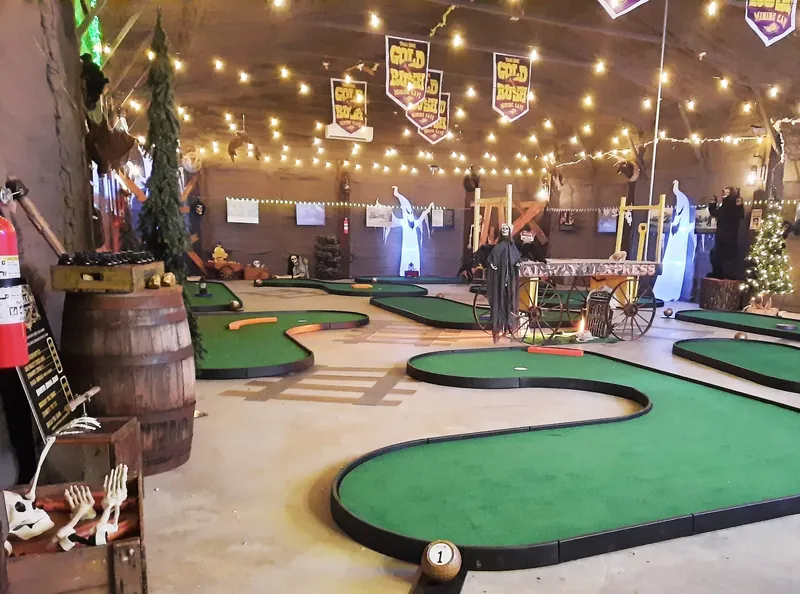
Indoor mini golf is exactly what it sounds like: a full mini golf course built inside a climate-controlled building. But calling it "mini golf with a roof" undersells it. These facilities are purpose-built entertainment venues, usually with themed holes, specialty lighting, and design details you'd never see on a standard outdoor course.
Most indoor mini golf venues run 18 holes, though some offer 9-hole layouts or multiple courses under one roof. Blacklight setups are popular, where walls and obstacles glow under UV lighting. Others go for immersive themes: jungle, space, haunted house, pirate ship. You'll know the theme within about ten steps of walking through the door.
Okay, that's actually one of the more underrated things about these places. The theming isn't decoration slapped on as an afterthought. At well-designed indoor mini golf venues, the whole course tells a story hole by hole, which gives kids (and honestly, adults) a reason to stay engaged through all 18.
Pricing typically runs between $10 and $20 per person, depending on location and whether it's a weekend. Some venues bundle the round with arcade tokens or other activities. Worth asking before you pay, because those bundles can save a noticeable amount for a group of four or more.
How It Differs From Outdoor Mini Golf
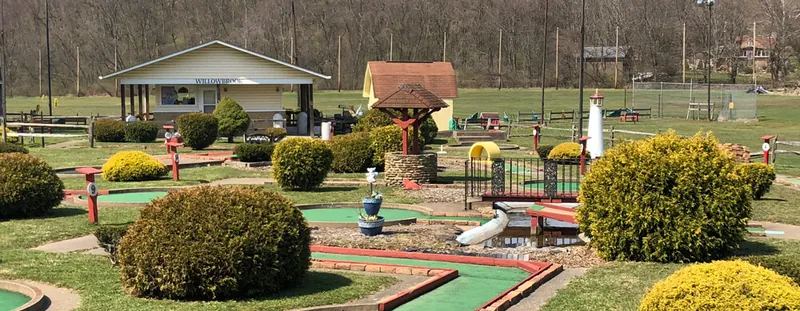
Outdoor courses have their charm. Fresh air, natural light, the occasional windmill. But outdoor mini golf is weather-dependent, seasonally limited in colder regions, and the courses themselves tend to be simpler in construction because they have to survive rain, frost, and direct sun year after year.
Indoor mini golf does not have those constraints. Designers can use materials, lighting effects, and mechanical obstacles that would fall apart outdoors in a single season. That's why you see animatronics, fog machines, and elaborate multi-level holes at indoor venues. The environment is controlled, so the creativity can go further.
Noise level is worth mentioning. Indoor spaces concentrate sound, and a busy weekend at one of these places gets loud. If you're going with young kids who startle easily, a weekday afternoon visit will be a calmer experience. Smaller groups tend to move at their own pace without the pressure of a crowd behind them.
Mini Golf Pal has 22+ verified indoor mini golf listings, and across those, the average rating sits at 4.5 stars. That's a strong average for any entertainment category, and it suggests these venues are generally delivering what visitors expect.
What to Expect When You Walk In
Check-in at most indoor mini golf facilities works like a ticketed attraction. You pay at the front, get a scorecard and putter, and head to a start point. Some venues assign tee times to manage flow; others let you start whenever the first hole opens up.
Putters are usually one-size-fits-most, though most places keep a few shorter putters on hand for small children. If you're going with a toddler, call ahead and ask. Not every venue is designed with the under-5 crowd in mind, and some holes have narrow passages or elevated sections that just don't work for very young kids.
One small thing I noticed at several of these facilities: the scorecard is often optional. Nobody's keeping a competitive record. Plenty of groups skip it entirely and just play casually. If you want the scorekeeping element, use it. If you don't, leave the pencil at the desk.
Most indoor mini golf venues also have a snack bar or at least a vending area nearby. Some are attached to larger entertainment complexes with full food service. It's worth eating before you go rather than counting on food being available, unless you've checked the specific venue's setup in advance.
Finding a Good Venue Near You
Not all indoor mini golf venues are equal. Some are standalone destinations with detailed courses and professional staff. Others are a secondary attraction tucked into a bowling alley or trampoline park, with less attention paid to the golf itself.
Reading reviews helps. Look specifically for comments about course condition, wait times, and whether the lighting effects are actually working. A blacklight course where half the bulbs are out loses a lot of its appeal fast.
And here's a practical tip: visit during off-peak hours if you can. Saturday at 2pm is the busiest window at most of these places. Tuesday evening or a Sunday morning right when they open will get you a much more relaxed round. You'll move at your own pace, and you won't spend half the game waiting for the group ahead to finish a hole.
Indoor mini golf works well as a standalone outing or as part of a longer activity day. Either way, it's a reliable choice when you want something genuinely interactive, not just a screen to sit in front of. That's harder to find than it should be.